In What Way Semantic SEO Improves Web Design, SEO Services, and Digital Marketing in Hempstead, NY
What Semantic SEO Means for Nearby Businesses
Semantic optimization is the practice of developing pages around sense, setting, and user search intent instead of depending solely on exact-match keywords. For local businesses in Hempstead, NY, that matters because search engines now assess whether a page fully responds to a query, supports related entities, and matches the real-world needs behind the search. In other words, ranking is no longer just about repeating a phrase; it is about showing relevance and authority across a topic.
This matters even more in a Long Island community like Hempstead, NY, where local service businesses, professional firms, and consumer-facing companies compete for attention in crowded results. Searchers may be looking for a plumber, a law office, a salon, or a marketing partner, and each query has different context. Semantic SEO helps search engines understand those differences through topic coverage, entity relationships, and signals that tie the page to the right audience.
For local search, the goal is to make your website the most useful result for nearby customers. That means aligning your content with queries from Hempstead, Garden City, Uniondale, West Hempstead, and other Nassau County communities. When your pages reflect the language people actually use, you improve visibility in local search and increase the chance of winning customers who are ready to act.
How Content Optimization Strengthens Web Design and SEO Services
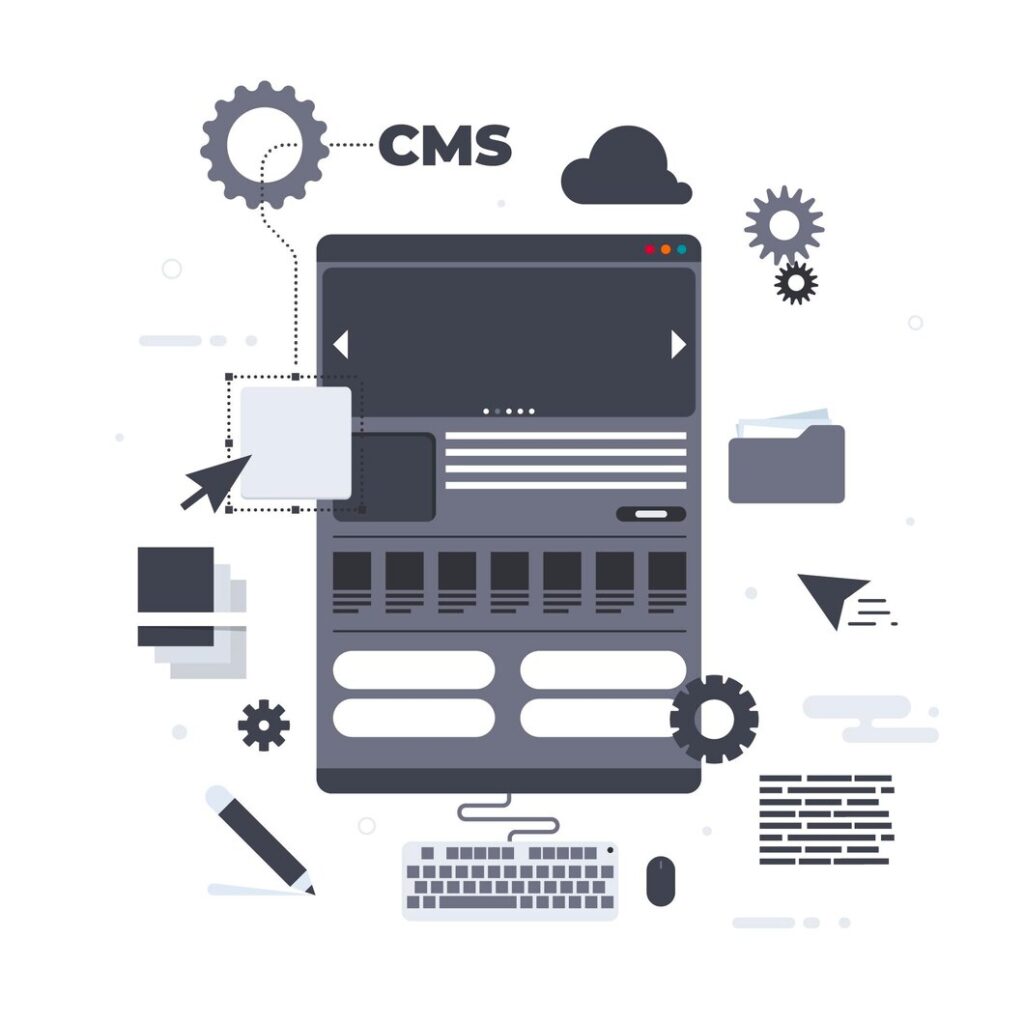
Web design and SEO services deliver the most value when they are built in tandem instead of treated as standalone projects. A polished site may still underperform if it lacks structured structure, strong content optimization, and the technical foundation needed for search engines to discover and index pages efficiently. Likewise, a technically sound site can still fail to convert if the message is not clear or the content does not answer the visitor’s questions.
Content optimization improves how information is arranged, written, and linked across the site. It helps each page serve a specific purpose, from homepage messaging to service pages and location pages. For Hempstead businesses, this is crucial because many users browse from mobile devices while comparing options quickly. A mobile-friendly design, clear calls to action, and readable content all support user experience and conversion rate optimization.
Search engines also favor pages that use strong structure and match intent. That means headings should communicate topics directly, paragraphs should be succinct, and supporting details should be easy to scan. When web design and content optimization are in sync, a site becomes easier to navigate, more persuasive, and more likely to rank for relevant queries. The result is not just more traffic, but better-qualified traffic that is more likely to convert.
Effective SEO services should therefore include both content planning and design decisions. For example, service pages should answer common customer concerns, include location signals where appropriate, and guide users toward the next step. This is how optimization turns a website into a business asset rather than a digital brochure.
How digital marketing Demands Topical Authority
Contemporary digital marketing relies on more than isolated blog posts and/or one-off campaigns. To achieve sustainable rankings and ongoing visibility, brands need topical authority. That means a website shows real expertise across a subject area instead of only briefly covering it briefly. Search engines view this breadth and depth as a sign that the brand is a reliable source.
Topic authority is built through content clusters, which structure related pages around a core topic. For instance, a company offering web design, SEO services, and digital marketing could create a main pillar page and supporting articles on local SEO, conversion rate optimization, technical SEO, and content strategy. These pages strengthen one another and display clear subject coverage.
For businesses in Hempstead, this approach helps compete across Nassau County search results, where many companies are battling for the same visibility. If your competitor has a single service page and you have an interconnected cluster of informative pages, search engines are more likely to see your site as comprehensive and authoritative. This may improve rankings, engagement, and the quality of organic traffic.
Topical authority also supports campaign consistency. Paid ads, email campaigns, and organic content all perform better when they point to a site that clearly explains who you are, what you do, and why you are relevant. In a local market, authority is not only about expertise; it is about being the most trustworthy answer to the user’s query.

How AI Experts Support Modern SEO Approach
AI experts act an increasingly important role in SEO strategy because modern search relies on language understanding, pattern recognition, and entity relationships. AI systems powered by machine learning can analyze huge amounts of data to identify trends in queries, content gaps, and competitive opportunities faster than manual research alone. This makes it easier to refine optimization efforts and create more relevant content.
Modern search systems are increasingly influenced by generative AI and other language-based technologies that interpret meaning at a deeper level. This is where natural language processing becomes important. NLP helps systems understand how users phrase questions, what they mean, and which entities are connected within a topic. For SEO, that means content should sound natural, answer intent directly, and cover the surrounding concepts that search engines expect to see.
AI experts can help teams identify semantic opportunities across website architecture, keyword mapping, and content planning. They can also support automation in areas like metadata generation, content analysis, and clustering related queries. Still, the best results come when AI is paired with human judgment, local knowledge, and a clear understanding of business goals. Technology can accelerate the work, but strategy determines whether the work is useful.
For Hempstead companies, AI-driven optimization can uncover how local users search for nearby services, what questions they ask before contacting a business, and which content formats are most likely to improve engagement. That allows businesses to create pages that feel helpful rather than generic.
Building Keyword Presence Without Repeating Keywords Excessively
Strong placements come from understanding keyword intent, not cramming the very same phrase inside a page again and again. Search engines have become more effective at understanding semantic keywords and the broader meaning of content, so too much repetition can hurt readability and undermine trust. The smarter approach is to write in natural language while addressing the full set of subjects a user expects.
Researching keywords should start with intent. Are users trying to hire a provider, compare services, learn a concept, or solve a specific local problem? After the intent is clear, you can create content that reflects the full range of related queries. For example, a page about SEO services might include https://syracuse-ny-am432.swiftnestly.com/posts/climate-in-hempstead-ny-monthly-outlook-and-what-to-expect terms related to local SEO, technical SEO, content optimization, and web design because those are all part of the same customer journey.
This is where entity-based SEO becomes important. Instead of focusing only on keywords, you recognize the entities and concepts connected to the topic. That can include service types, industries, locations, tools, and customer pain points. When these elements are written naturally into the page, the content becomes more useful and more aligned with how search engines evaluate relevance and context.
One practical guideline is to write for people first and search engines second. Use the exact phrase only when it feels natural, then expand with supporting details, examples, and related topics. This approach boosts content quality, maintains readability, and increases the chance that your page will rank for multiple queries without sounding repetitive.
Local SEO Signals That Count in Hempstead, NY
Local search optimization is vital for businesses that want to show up in nearby searches across Hempstead NY and surrounding Nassau County areas. Search engines use local signals to determine which businesses are most applicable for a location-based query. Those signals include proximity, match, prominence, and uniformity across the web.
One of the key assets is a well-maintained Google Business Profile. It helps search engines verify your business name, service area, hours, categories, and contact information. For Hempstead companies, this is often the primary place potential customers see your brand in local results. A complete profile with photos, services, reviews, and updated information can increase both visibility and trust.
Local citations also count because they reinforce consistency across directories, maps, and business listings. When your name, address, and phone number are consistent everywhere, you strengthen the signals that support local rankings. This is especially important in competitive Long Island markets, where nearby businesses may have comparable offerings and similar search profiles.
Local-intent examples are easy to identify. A user may search for “web design in Hempstead NY,” “SEO services near Uniondale,” or “digital marketing agency serving Nassau County.” Those queries often reflect clear buying intent. Businesses targeting Hempstead need both mobile-friendly web design and strong local SEO to capture on-the-go searches from people comparing options on their phones.
Local SEO also benefits from neighborhood and regional references when they fit naturally. Mentioning nearby service areas can help tie your content to the communities you serve, whether that includes West Hempstead, Freeport, Garden City, or broader Nassau County customers.
On-Page SEO Elements That Improve Rankings
Powerful on-page SEO enables search engines recognize the purpose of each page and assists users determine whether the content fits their needs. The key elements include title tags, headings, descriptive copy, internal linking, and schema markup. In combination, these signals improve crawlability, indexing, and relevance.
Title tags should clearly reflect the page topic and include the primary theme without sounding forced. They are among the first signals search engines and users see, so they influence both rankings and click-through behavior. Internal linking then supports connect related pages, guiding both visitors and crawlers through the site’s structure. This is particularly useful in content clusters, where each page reinforces the others.
Schema markup adds structured data that helps search engines understand business details, services, reviews, FAQs, and other key information. It is an essential part of technical SEO because it supports better understanding of content and can enhance search appearance. Structured data can also improve how your pages are displayed for local and informational queries.
On-page optimization should also support conversion rate optimization. A well-optimized page does not just attract traffic; it guides users toward action. That means clear headings, concise explanations, relevant proof points, and calls to action that fit the page’s purpose. When on-page SEO and business goals align, the site performs better across visibility, engagement, and lead generation.
Technical SEO should not be overlooked either. Fast load times, mobile responsiveness, clean code, and proper indexing all matter for performance. If a site is difficult to crawl or slow to use, even the best content may struggle to rank. Combining technical SEO with semantic content creates a stronger foundation for long-term growth.
FAQ on Semantic SEO & content improvement
What is semantic search optimization and what makes it valuable for local businesses in Hempstead, NY?
semantic SEO centers on meaning, context, and related entities so search engines can better understand what a page is truly about. For businesses serving the area in Hempstead, NY, it matters because it helps connect content to user intent, local search behavior, and nearby service needs. This enhances visibility for relevant queries and strengthens the chances of attracting customers in Nassau County and surrounding areas.
How does content optimization strengthen web design and SEO services?
Content optimization makes a website easier to understand, navigate, and trust. In web design, it refines layout, readability, and user experience. In SEO services, it helps pages match search intent, use keywords naturally, and support crawlability and indexing. Together, these improvements create a site that performs better and converts more effectively.
Why can digital marketing benefit from topical authority?
Digital marketing benefits from topical authority because search engines are more likely to value brands that demonstrate deep coverage of a subject. Using content clusters, businesses can build a clearer information structure around their services and questions their audience asks. That improves authority, visibility, and engagement across organic and paid channels.
How do AI experts play in SEO strategy?
AI experts help teams use machine learning, generative AI, and natural language processing to identify content opportunities and user behavior. They can identify semantic patterns, support keyword research, and improve optimization workflows. Their role is especially valuable when paired with human strategy, local insight, and business-specific goals.

34 Willis Ave, Mineola, NY 11501
(315) 758-3349
https://maps.app.goo.gl/raW1XN7K3jzLKAPz9
https://sunstonedigitaltech.com/hempstead-digital-marketing-agency
40.7400795, -73.6357138
What is the best way to avoid keyword stuffing while targeting multiple service terms?
Focus on keyword intent and use semantic keywords naturally throughout the page. Write in natural language, cover related topics in context, and structure content around entities instead of repeating the same phrase. Internal linking, topical authority, and well-planned content clusters also help you target multiple terms without sacrificing readability or quality.
FAQ markup can be added to this section to improve how search engines interpret the user questions and help improve the chance of appearing in answer boxes. When the answers are succinct, useful, and matched with real user questions, they support greater visibility and better content performance overall.